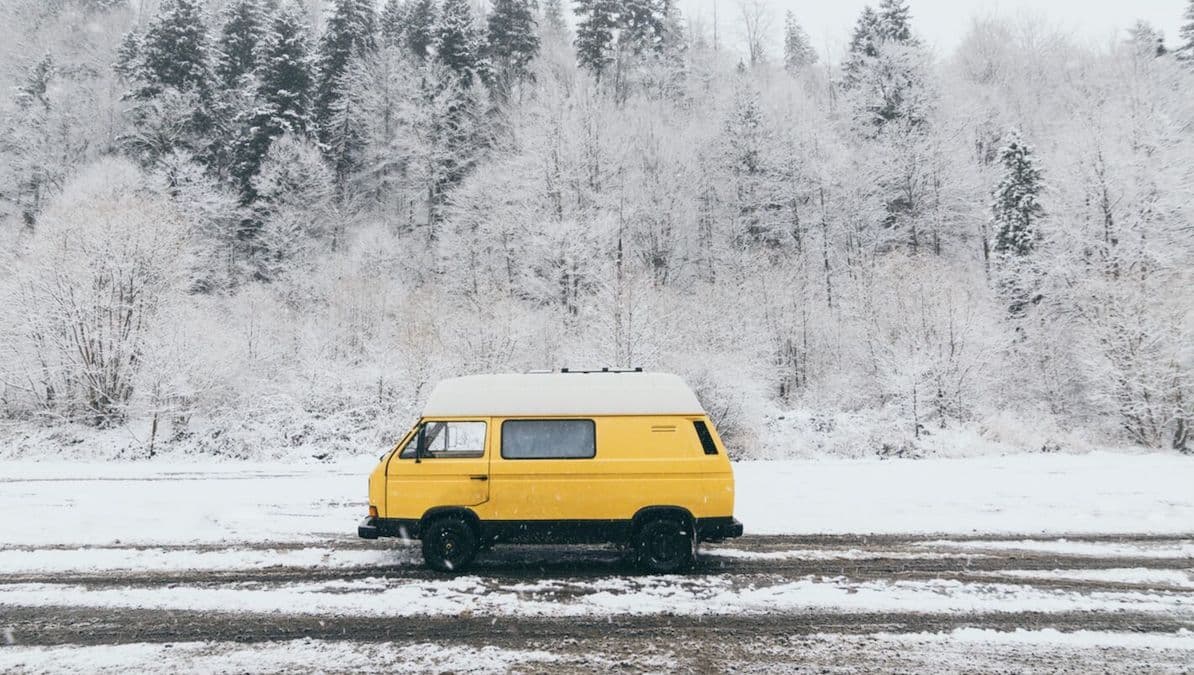
Japanese winters can be very cold. Here are a few tips to keep yourself warm while sleeping in your car during cold weather.
Dress warm
The starting point of keeping yourself warm while camping is to dress appropriately. Get some warm clothes for outside, but don't neglect what you wear inside.
- UNIQLO Heattech is a line of functional clothing made by Uniqlo designed to keep you warm in cold weather using innovative fabric technology, not just thick material. The material is very thin and soft, so you don’t feel bulky, and they come in t-shirts, long-sleeve t-shirts, and leggings.
- Get good quality socks made of merino wool, alpaca wool, or cashmere.
- Kairo (カイロ) are portable disposable heat packs commonly used in Japan to keep warm during cold weather. They’re like chemical hand‑warmers: inexpensive, easy to use, and available everywhere (convenience stores, drugstores, supermarkets, etc.).
- While sleeping your head will probably be in contact with the fresh air. You can also opt‑in for a beanie.
Soak in hot waters
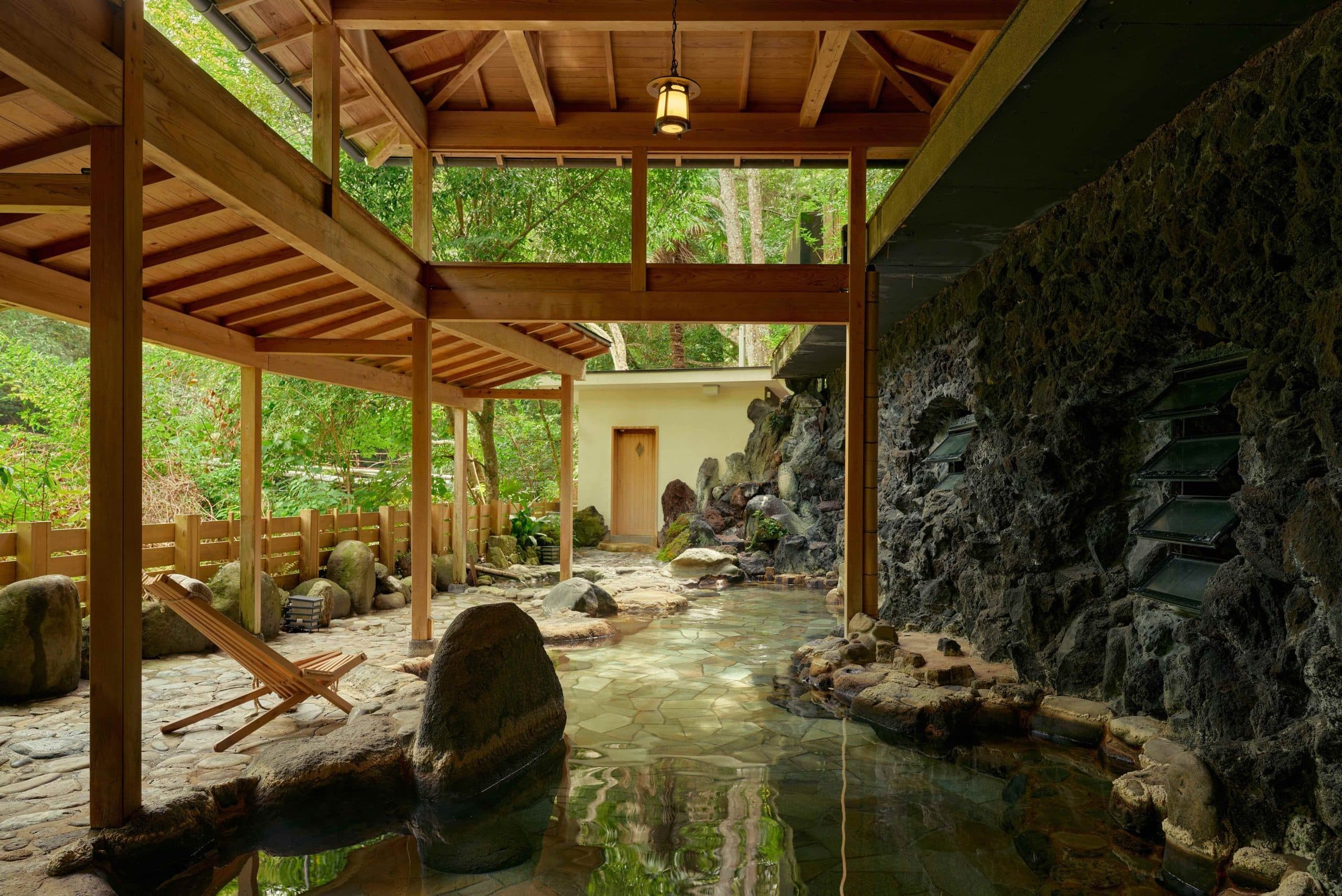
Japan is the paradise of thermal water (onsen). After a day of exploring, give yourself a treat and visit an onsen. Taking a hot bath for 20 minutes will keep your body warm for the whole night.
See our guide about how to stay clean while vanlifing in Japan.
Get a heater
If you're renting a van in winter or planning to buy one and use it during the cold months, it's highly recommended to get one that is equipped with a diesel heater. The most well-known brand is Webasto, but many vanlifers use Chinese-branded diesel heaters (sold under various names) which are much cheaper and widely available — they perform well for most winter conditions.
These heaters draw air from outside to combust and vent exhaust externally, making them safe for enclosed spaces when installed correctly.
⚠️ Carbon Monoxide Warning: Never use a gas cooking stove as a heat source in an enclosed van. Carbon monoxide (CO) is odourless and colourless, and a build-up can be fatal within minutes. If you are using any combustion-based heating, ensure proper ventilation and fit a CO detector — this is a non-negotiable safety item for winter vanlife.
Insulation
Most vans nowadays come with insulation in the walls, ceiling, and doors. Don't hesitate to get a small carpet to keep your feet warm.
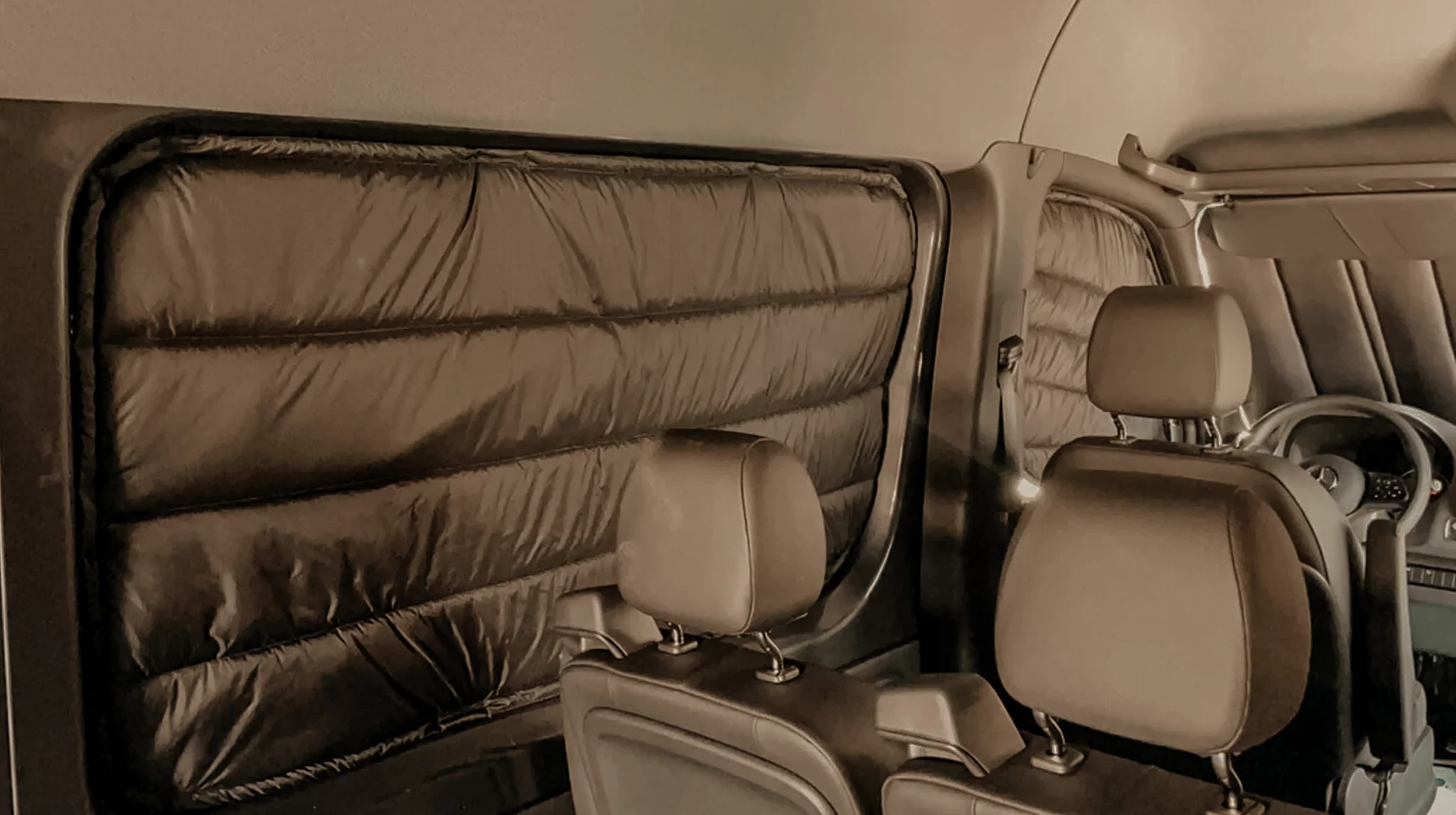
Windows are the number one heat escape at night. You'll be happy with some thermal curtains and blockers you can put on and remove from the windows.
Choose the right sleeping bag
If you plan to sleep in your van in winter without a heater, your sleeping bag rating matters. Look for the comfort rating on the label, not just the lower limit:
- For most of Japan (Honshu, Kyushu, Shikoku): a comfort rating of -5°C is sufficient for most winter nights.
- For Hokkaido or the Japanese Alps: aim for -15°C comfort rating or lower, as temperatures can drop well below -10°C.
Pairing a well-rated sleeping bag with a fleece liner adds several degrees of warmth without much bulk.
Make a hot bed
In any big shop during the winter season, you'll find those fleece‑like blankets. They are super efficient if you put them over your usual duvet to keep your body warmth in.


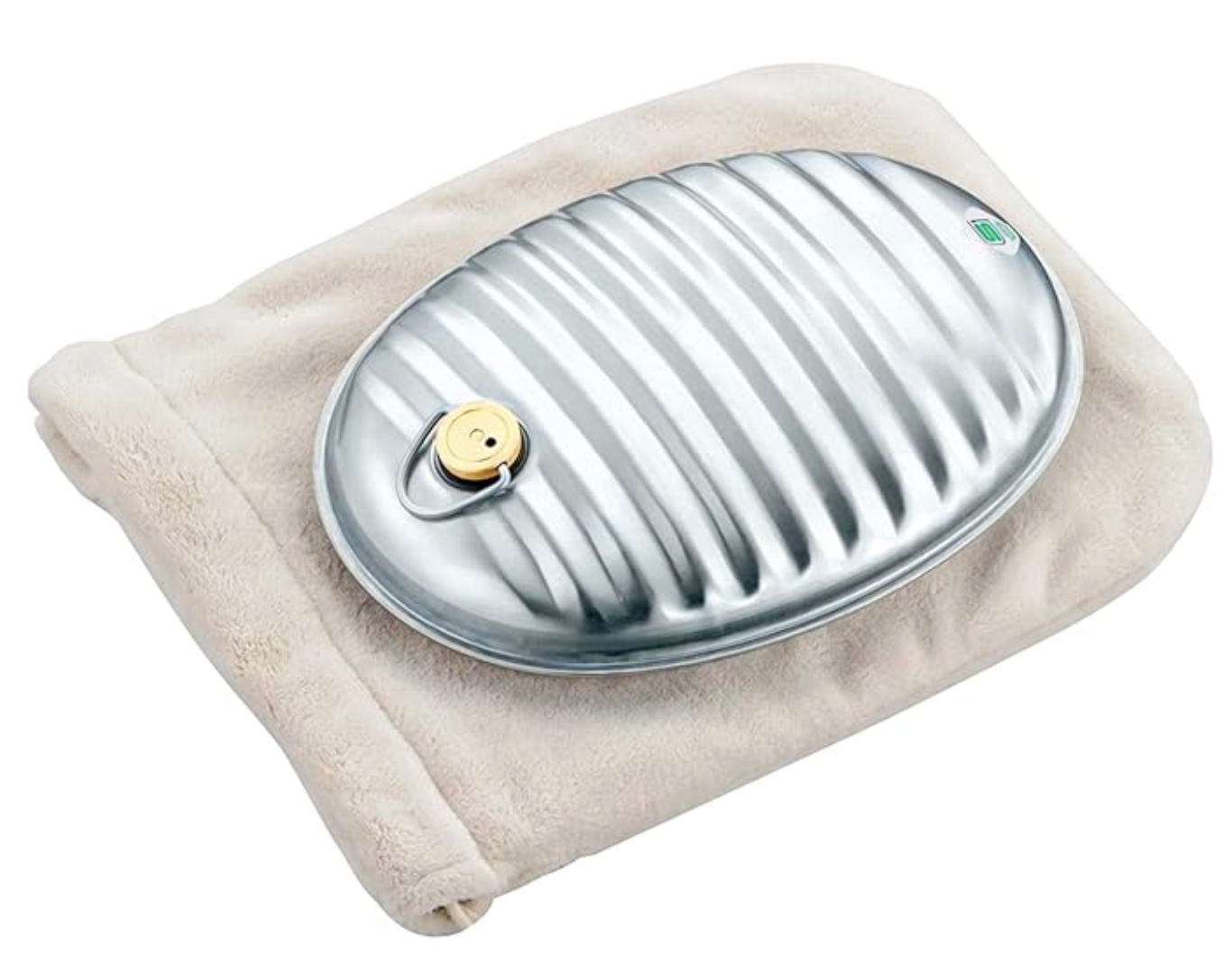
A hot water bottle filled with boiling water will also keep your bed hot for hours.
Cook it up
Cooking in your van or boiling hot water for coffee or tea using your gas stove will make the inside of your van warm in a few minutes. Drinking warm things will also help your body stay warm.
Park safely
In remote areas and mountains, it is possible for snow to build up while you're sleeping. If you travel in remote areas subject to strong snow, get appropriate tires and the necessary equipment to escape a bad situation (shovel, etc.).
Which areas are hotter than others?
Here is a global map of Japan average temperature in January:
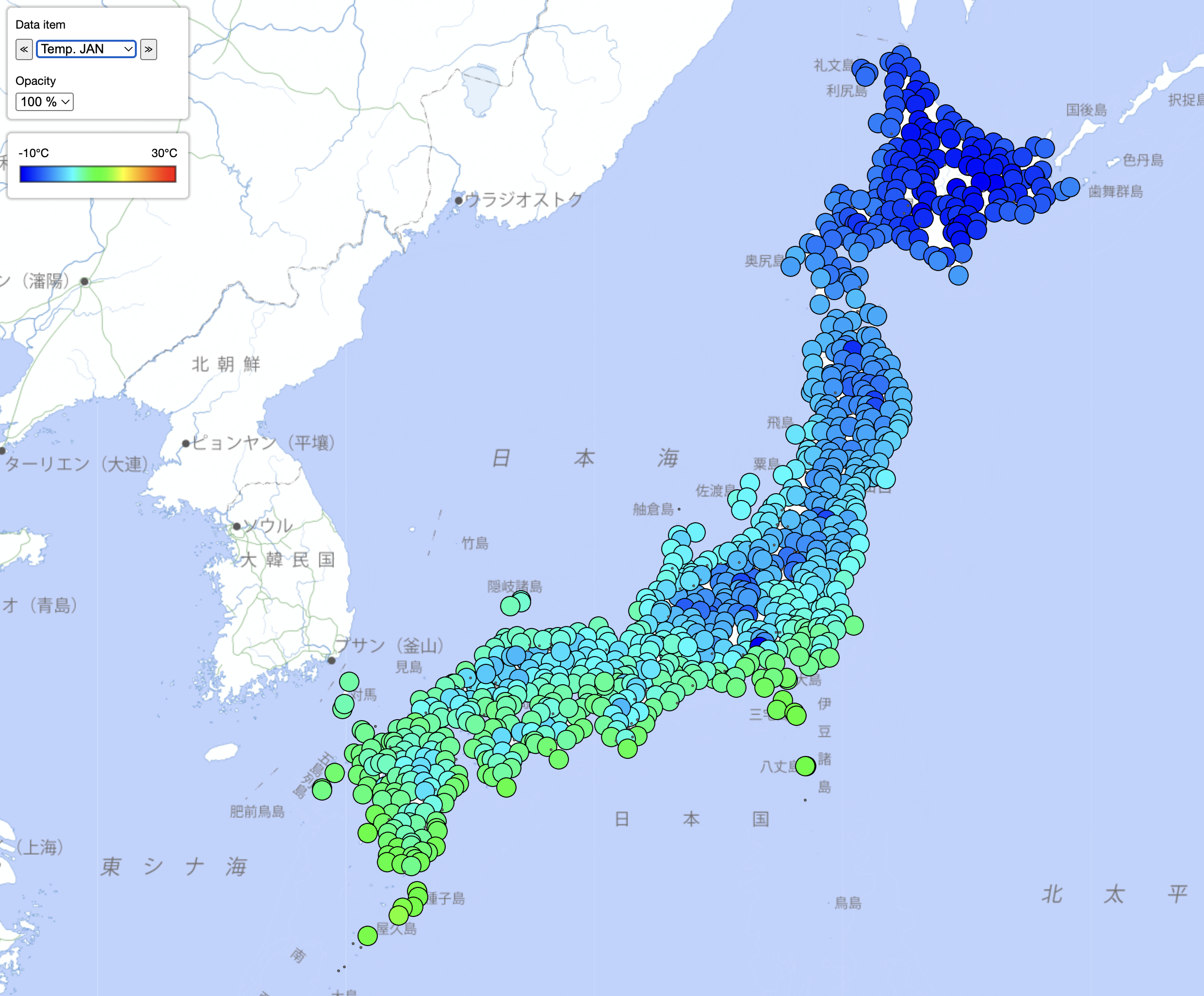
If you don't want to deal with super cold temperatures during winter, avoid mountains and prefer the south part of Japan: Kyushu, Okinawa. While Kyushu is hotter than most places, the central mountains still have freezing temperatures and snow.