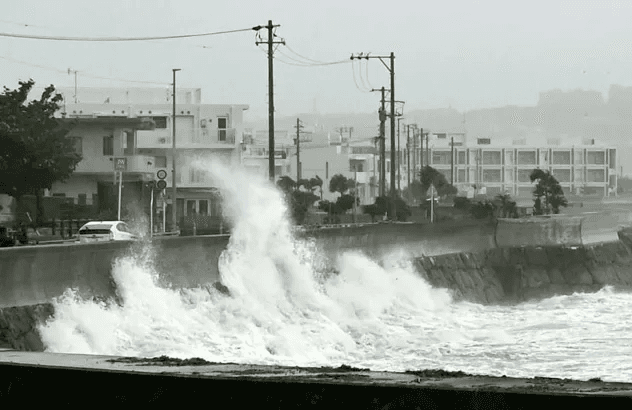
Japan is a pretty safe country compared to the western world. But Japan is often hit by natural disasters: earthquakes, typhoons, tsunamis, and animal attacks. In this guide we'll see how you can prepare yourself for staying safe while adventuring in Japan.
General precautions
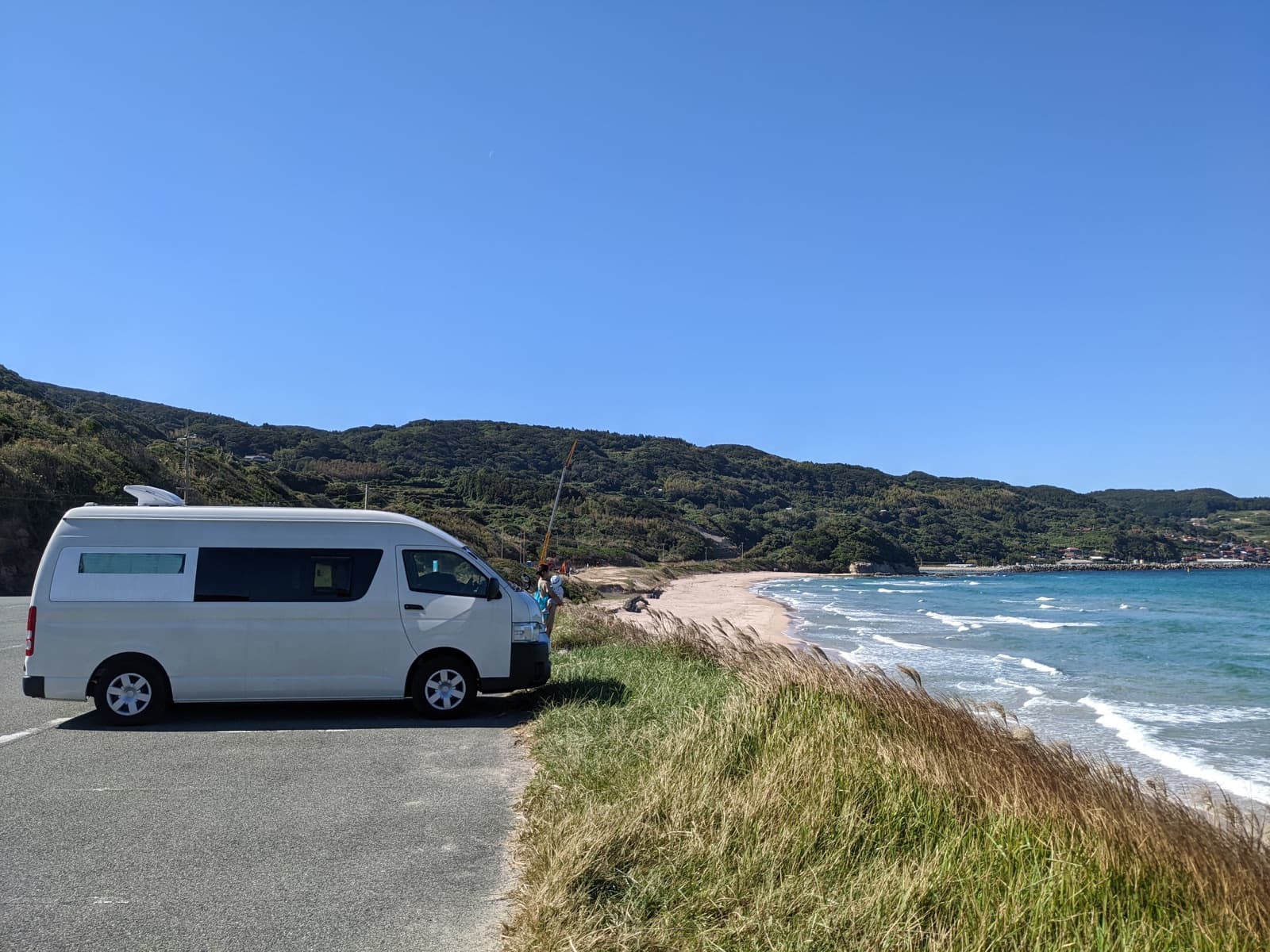
While everyday life is mostly safe, we recommend a few simple preparations to stay safe while travelling in Japan. When travelling in a van:
- Keep some water available at all times
- Keep some food supplies with you
- Keep some money in cash in case of emergency
- When sleeping somewhere new, be aware of the surroundings: the road, the closest shop, the elevation, etc.
Earthquakes and tsunamis
If you ever experience an earthquake for the first time, it can be surprising. Why is the lamp post moving? Why is my bed shaking? While they happen daily in Japan, 99.9% of the time you won't feel it and it will not change your plans.
We recommend downloading and setting up the NERV app on your phone. This app alerts you of any upcoming earthquakes or tsunamis and gives important details about their intensity and risk level.
We also strongly recommend the Safety Tips app — Japan's official multilingual disaster alert application run by the Japan Tourism Agency. It delivers alerts in English (and other languages) for earthquakes, tsunamis, volcanic eruptions, and severe weather. For foreign travellers, this is arguably the most important safety app to have installed.
In a major disaster when regular phone lines are congested, you can leave a voice message at Disaster Message Dial 171 and have family check in on you. Keep this number saved.
Emergency numbers: 110 (police) · 119 (ambulance / fire)
Typhoons
The typhoon season in Japan runs from May through October, with most activity from July to September. Typhoons bring heavy rain and winds. When a typhoon is expected you should avoid sleeping in your car, especially near rivers or the coastline.
For typhoons too, we recommend downloading and setting up the NERV app on your phone. This app alerts you of any typhoons approaching and what to expect.
River flooding and flash floods
Camping near rivers is one of the great pleasures of Japan's countryside but it carries a serious risk, especially in summer. A heavy rainstorm or typhoon far upstream can cause a river to rise rapidly and without any visible warning at your campsite. This is a leading cause of outdoor fatalities in Japan.
Never camp on a river bank or dry riverbed, even if the weather at your location seems fine. Always check the forecast for the wider catchment area before settling in near a river. If rain is forecast upstream, move to higher ground.
Heatstroke
Heatstroke (熱中症, netchūshō) is a genuine and serious risk during Japan's summer, particularly in July and August when temperatures can exceed 35°C with high humidity. Van life makes you more exposed than most: you are often outdoors, active, and without air conditioning.
Drink water consistently throughout the day, avoid strenuous activity during the hottest hours (11 AM – 3 PM), and seek shade or air-conditioned spaces regularly. Sports drinks with electrolytes help when sweating heavily. Signs of heatstroke include confusion, stopping sweating despite the heat, and loss of consciousness — treat it as a medical emergency and call 119.
Wild animals
Bear attacks in Japan have been increasing in recent years. 2025 was an exceptionally dangerous year, with over 235 injuries and 13 fatalities recorded — a record high driven by food shortages, rural depopulation, and climate factors. Both Asiatic black bears and Hokkaido brown bears are increasingly encroaching into residential and recreational areas. The Tohoku region, particularly Akita and Iwate prefectures, has been hardest hit.
It's recommended while staying in remote areas to be aware of your surroundings and be prepared for wild encounters. For bears in particular you can also get bear spray repellent and a bear bell. While camping, avoid leaving food outside or in an easily accessible place.
Notable other wild encounters are:
- Snakes
- Mukade and other insects
- Boars (while driving)